
The FDA Restricts 7-OH Gas Station Drug Found In Beverages, Gummies, And Supplements
You have probably seen kratom shots, gummies, or powders at your local gas station. They look like harmless “herbal remedies,” and some even make promises to help with pain, relaxation, and more.
The truth behind these supplements is much more complicated. Many of these products contain 7-hydroxymitragynine (7-OH), a concentrated form of kratom that acts on the brain like opioids.
In 2025, the FDA issued warning letters to companies making and selling these products, citing risks of dependence, overdose, and misleading marketing.
So, what makes 7-OH so dangerous, and why is the FDA cracking down on 7-oh kratom now?
Find these answers and more in this article from South Shores Recovery.
Why is the Government Sending Warning Letters About Kratom Products?
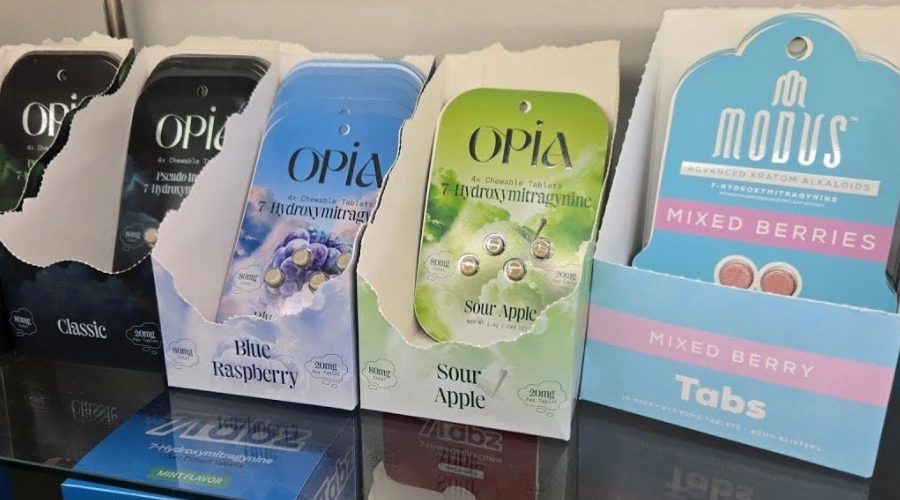
Starting in the summer of 2025, the Food and Drug Administration (FDA) issued warning letters to companies manufacturing natural kratom leaf products, particularly beverages, drink mixes, gummies, and supplements containing 7-OH. But why?
Certain kratom-plant products have a high concentration of the alkaloid 7-OH (7-hydroxymitragynine). From serious health risks to its addictive nature, 7-OH is far from the harmless, natural remedy that it’s advertised to be. Concentrated 7-OH is an unapproved drug and has not undergone safety testing, putting the people who use it at risk.
What is 7-OH Kratom?
7-hydroxymitragyne (7-OH) is a psychoactive compound derived from the kratom plant, native to Southeast Asia. It only shows up in trace amounts in its natural leaf form of the kratom, but many manufacturers extract these alkaloids from the kratom plant.
They are concentrated and put into shots, plants, and gummies, resulting in elevated levels of 7-OH.
Why is Concentrated 7-OH Dangerous?
The kratom plant naturally contains traces of 7-OH, but the way that it’s concentrated amplifies it. It can be 10 times stronger than regular kratom, making its effects unpredictable and dangerous.
7-OH binds with the opioid receptors in your brain. It works similarly to traditional opioid painkillers, producing effects like sedation, pain relief, and euphoria. The side effects of 7-OH can also be dangerous, just like opioids.
7-OH can cause nausea, vomiting, sweating, rapid heart rate, and high blood pressure if you take too much. There’s a risk of overdose, respiratory depression, and addiction. And, these risks get worse if you take it alongside alcohol or other drugs.
And due to all the unregulated products out there, it is all too easy to take too much of this concentrated drug.
Is Concentrated 7-OH Found in Kratom-Related Products?
Yes, 7-OH is commonly found in drinks, gummies, powders, and vape products. It is labeled as kratom and often sold as “natural remedies” or “dietary supplements”. Kratom can be found in smoke shops, gas stations, and convenience stores. It’s also sold online.
These chemically enhanced, highly concentrated extracts are much more potent than kratom made from tea leaves. They are much riskier than they appear.
What is the Legal Status of Kratom in the United States?
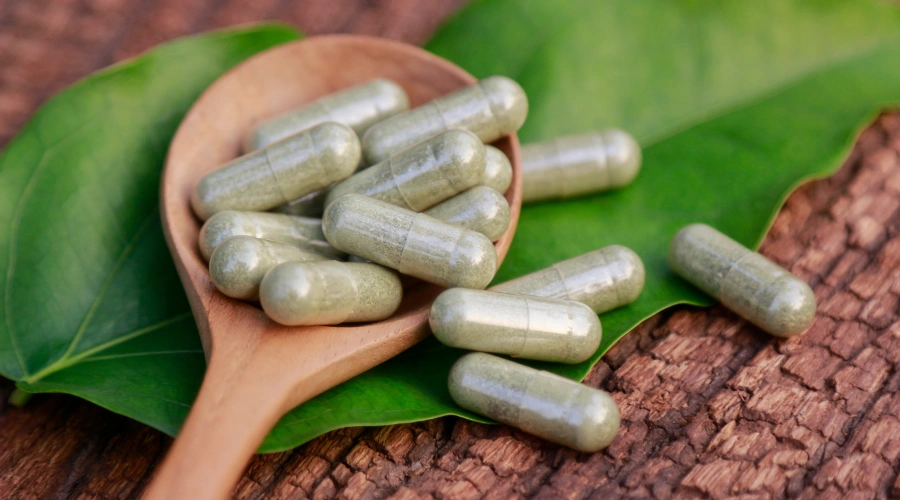
Kratom exists in a legal gray area. It isn’t classified the same way as heroin or methamphetamine, but it also is not approved for medical use.
The Food and Drug Administration actively blocks imports, and the sale of kratom is banned in some states and municipalities. In other places, there are restrictions.
What Does the Drug Enforcement Administration Say About Kratom?
The DEA tried to classify natural kratom leaf products as a Schedule I drug in 2016, but they faced public backlash. Instead, it’s listed as a “drug of concern”.
Concentrated 7-OH kratom products sold as dietary supplements are watched especially closely. Their high potency and opioid-like effects make them more likely to be abused.
What Does the Food and Drug Administration Say About Kratom?
The Food and Drug Administration actively warns against using kratom, letting you know that there’s a risk of addiction, liver toxicity, and death. They’ve also put tighter regulations on companies marketing kratom for certain medical claims.
The Government is Not Focused on Natural Kratom Leaf Products
Much of the recent backlash toward kratom is directed toward concentrated extracts, adulterated powders, and synthetically enhanced kratom products containing 7-OH.
It isn’t necessarily the kratom plant leaf. Kratom does still come with risks, but the effects of concentrated 7-OH are much more dangerous.
Alternatives to 7-OH Kratom and Safer Paths to Recovery

Using 7-OH kratom sometimes comes from an innocent place. You might think it’s a “safer” alternative for opioids or to manage withdrawal and help people quit. This is a false sense of security.
Concentrated kratom extracts can create the same cycle of tolerance, lengthy withdrawal insomnia, and the relapse that you were trying to escape in the first place.
Evidence-based addiction treatment is the safer, more effective route. Professional detox programs help ease withdrawal symptoms. When paired with therapy and a holistic approach, you learn skills that benefit you in the long-term.
Learn More About Alternatives to Kratom at South Shores
Concentrated 7-OH isn’t just a stronger version of kratom. It’s an unapproved, unpredictable drug that can cause real harm. As the government moves to restrict these products, it’s clear that safer solutions are needed.
South Shores Recovery can offer you a path forward that doesn’t rely on these risky alternatives. We guide you through detox, therapy, and long-term recovery, creating a foundation for lasting change.
If you or a loved one has been caught up and become dependent on kratom in any form, we are here to help. Please reach out confidentially to get proven support options with us today!
 877-919-8833
Recent Comments